






Contents
With the surge of digital transformation across industries, Online Travel Agencies (OTAs) have become essential platforms for customers seeking hassle-free booking options.
A significant component of OTAs’ functionality and seamless user experience hinges on integrating various Travel APIs.
These APIs allow OTAs to access and display live information on flights, hotels, car rentals, and other travel-related services.
While beneficial, Travel API integration can come with substantial costs and challenges.
This blog delves into the types of Travel APIs, their integration costs, and the complexities OTAs face.
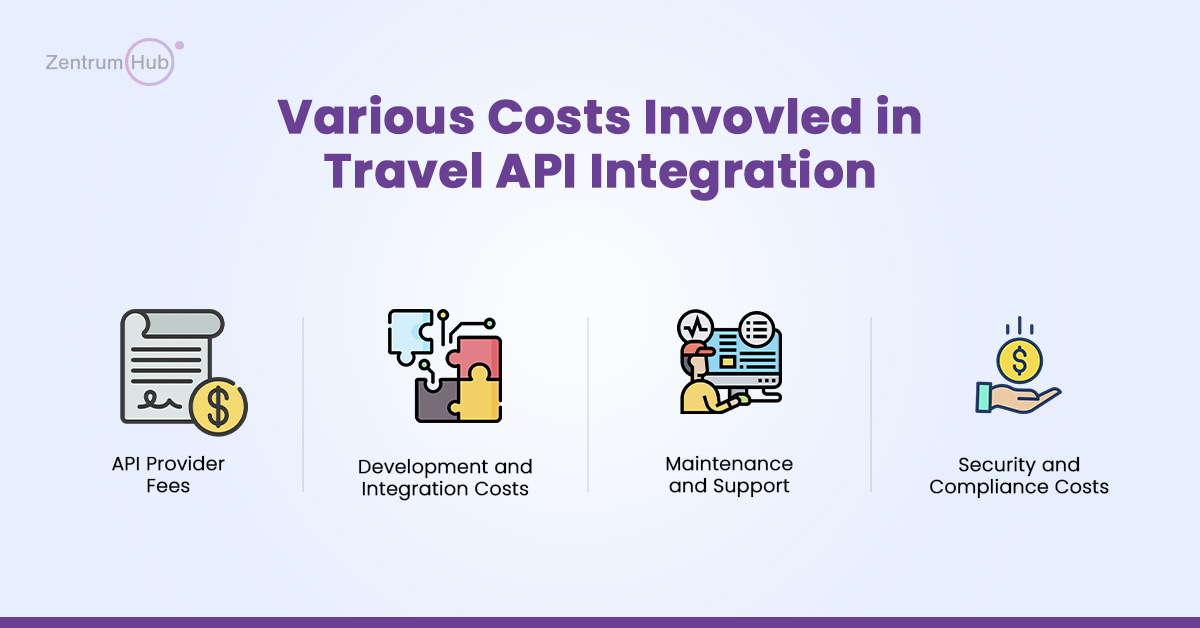
While integrating Travel APIs brings obvious advantages, it also comes with costs. These costs can vary widely based on the API provider, the complexity of the integration, and the OTA’s specific needs.
1. API Provider Fees
Each API provider charges differently, often on a pay-per-use, monthly subscription, or revenue-sharing model. Costs can vary based on:
2. Development and Integration Costs
Beyond licensing, integrating APIs requires technical expertise. These costs can include:
3. Maintenance and Support
API integration is not a one-time cost; ongoing maintenance and support are essential to ensure continuous functionality:
4. Security and Compliance Costs
Since OTAs handle sensitive customer data, API integration must adhere to industry security standards to avoid breaches. Key expenses include:
Benefits of Travel API Integration
Managing and Mitigating Costs
Given the high costs, OTAs should adopt strategies to manage and optimize their API integrations effectively:
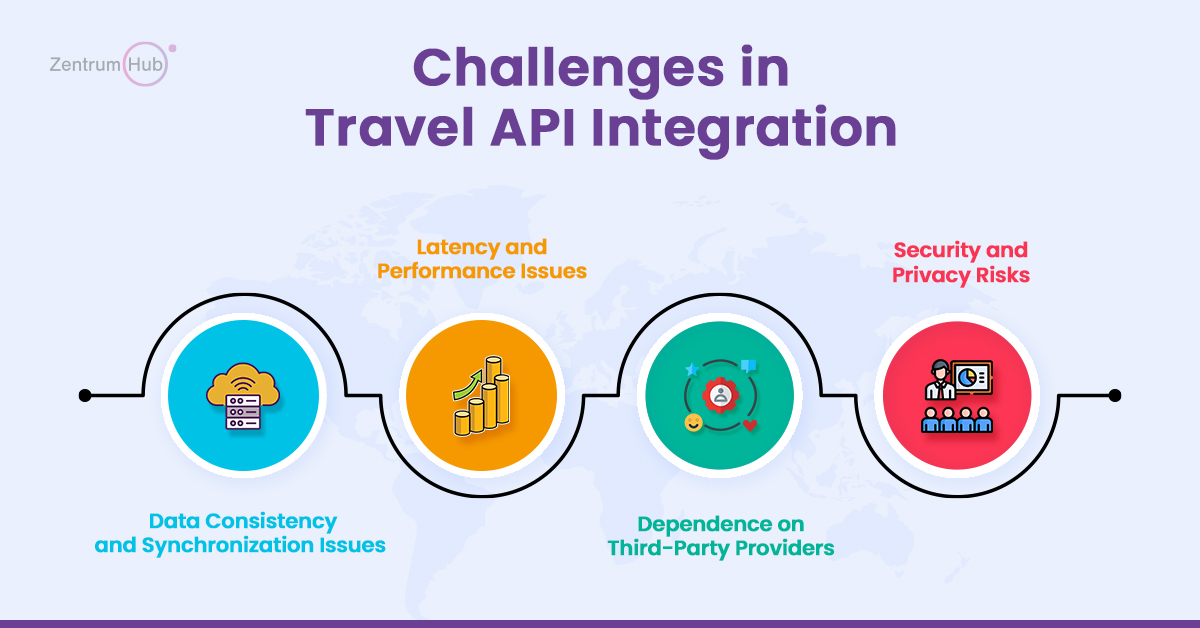
Even with the best planning, integrating APIs comes with challenges that can impact both cost and functionality.
1. Data Consistency and Synchronization Issues
When OTAs integrate multiple APIs from different providers, inconsistencies can arise due to data formatting differences. Synchronizing this data accurately across platforms can be complex and time-consuming.
2. Latency and Performance Issues
APIs may occasionally cause latency, particularly if the OTA relies on multiple, high-traffic APIs simultaneously. This can slow down the booking process, negatively affecting the user experience and reducing conversions.
3. Dependence on Third-Party Providers
Reliance on external API providers can make OTAs vulnerable to service disruptions. If an API provider experiences downtime or terminates its services, it can disrupt the OTA’s offerings, leading to revenue losses.
4. Security and Privacy Risks
As OTAs handle customer data, integrating third-party APIs introduces risks of data breaches. Providers must ensure API security and compliance with industry regulations, which may add complexity and cost.
Travel API integration is essential for OTAs to deliver a competitive, comprehensive travel experience to users.
However, the costs of API integration—ranging from licensing fees to maintenance and security expenses—can be substantial.
While these costs are often necessary investments to meet customer expectations and industry standards, strategic management can help balance expenses and benefits.
As technology evolves, staying up-to-date with emerging API trends will be crucial for OTAs aiming to stay ahead in an increasingly competitive market.
Drop your work email and we’ll send you the 12-page report that breaks down where 6–9 months and $215K+ quietly disappear — free.